
ARTIST STAMENT
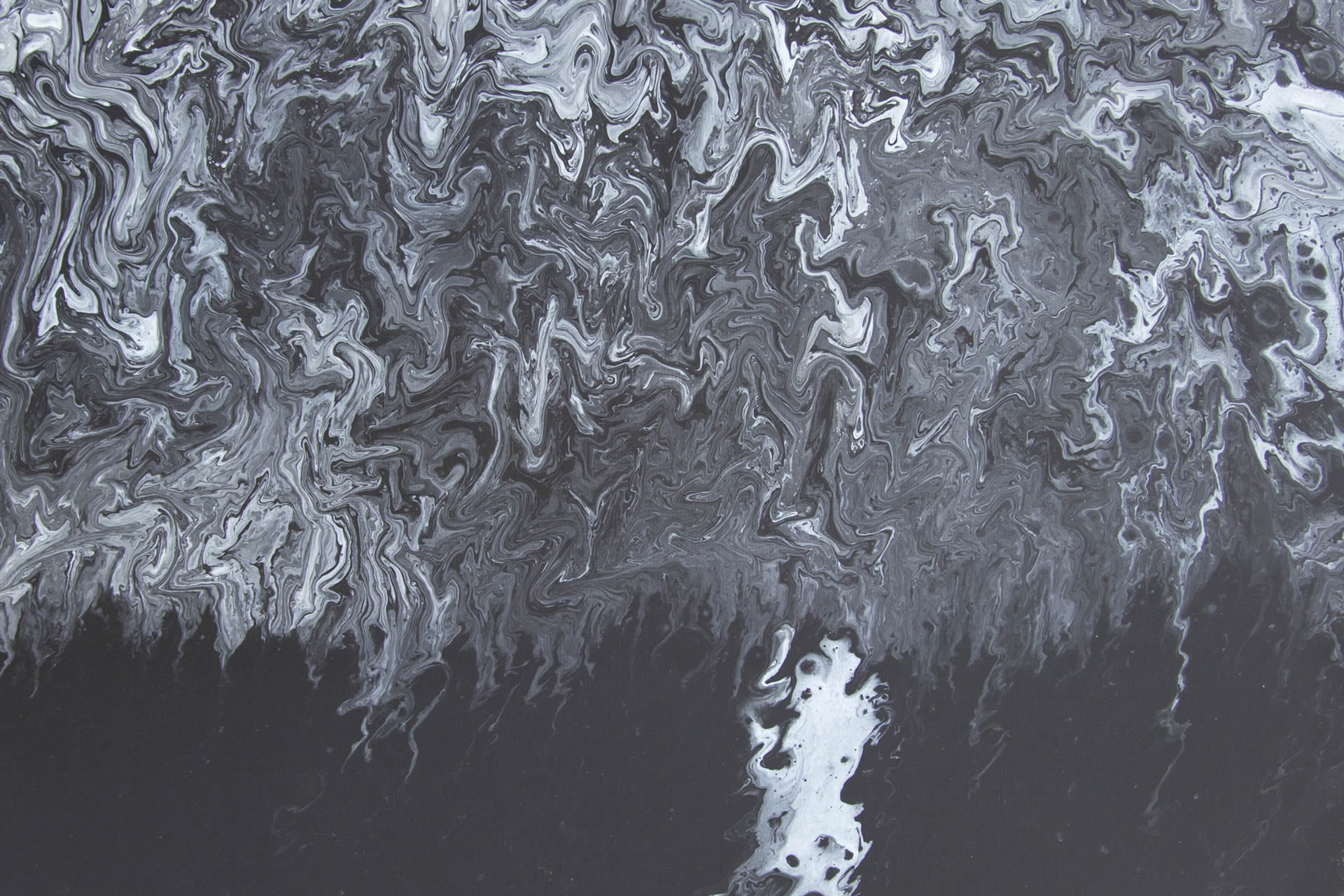
I do not seek to resolve form; instead, I return it to a condition of continuous becoming.
This work operates in a space where form is not fixed as an object, but exists in a state of continual transformation.
Image, material, and subject are engaged as unstable states, continuously reconfigured through process and perception.
The practice unfolds between control and release, rather than through imposed composition.
I intervene within material behavior—guiding without determining the outcome.
Gravity, fluidity, and surface tension become active agents in the formation of the image.
An in-between condition is central to the work: between figuration and abstraction, emergence and dissolution. Forms appear, destabilize, and reconstitute, resisting closure.
Photography extends this investigation through perceptual means. Using movement, exposure, and fragmentation, the image is similarly displaced from fixed representation, aligning with the logic of the paintings.
Travel and shifting environments inform this sensitivity through atmosphere, light, and spatial perception. These external conditions intersect with an internal affective field that drives the process.
The work is grounded in an ongoing negotiation between material reality and perceptual experience, where meaning is not illustrated but emerges through accumulation, transparency, and tension.
MELCINA ROSAS
ARTIST BIO
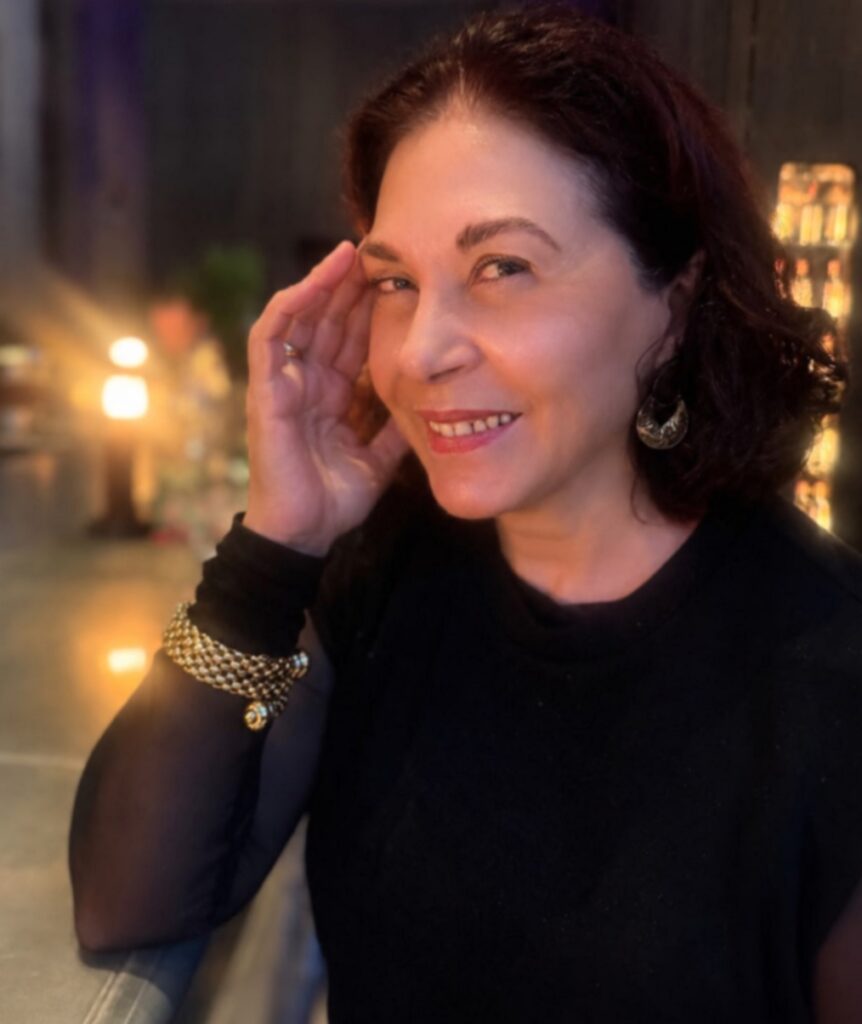
Melcina Rosas is an international artist born in Panama, based in New York City, and working between New York and Panama. Her artistic vision has been deeply shaped by her studies of English and French literature. Later, her studies in philosophy at La Sorbonne refined her reflective way of seeing the world and those around her. The vibrant environment of New York University further expanded her already distinctive artistic vision.
Her childhood, immersed between forest and ocean, awakened a lasting sensitivity to the rhythms and intelligence of the natural world. Together, these experiences cultivated an inner life and an enduring awareness of time, developing an attentive way of seeing the relationships that shape her perception of the world.
Her engagement with art, cinema, and literature further enriched this sensibility. She approaches artistic practice as a continuation of perception, aligned with Courbet’s principle to “paint what you perceive,” where observed life and form become the ground of the work, affirming presence beyond representation.